Myths About Self-Authorship in Student Affairs

I thought I would blog about self-authorship to help clear up some misunderstandings I’ve personally experienced throughout my time in the field.  Self-authorship is something that I research and study, so I try to notice when it is misunderstood.  I thought an easy way to clear it up would be to share four main myths I’ve heard about the concept.

Myth #1: Self-authorship is simply saying “I’m making this decision myself, so therefore, I’m self-authored.”  For example, “I’m sorry Sarah, I decided to self-author my homework and not do it.”

Myth #2: Self-authorship is only for White people.

Myth #3: Self-authorship is participating in self-reflection.

Myth #4: Self-authorship doesn’t allow you to build relationships with others.

So let’s start with some basics.  Self-authorship is a way of making meaning. A self-authored individual makes meaning of their experiences by determining their own values and beliefs while seeing others’ views as important and worth considering (Garvey Berger, 2011). This addresses myth #1 and myth #4.

Another way of looking at self-authorship is that it is a way of making meaning in which individuals possess the ability to face economic complexity, balance multiple roles, interact effectively with a diverse world, and responsibly confront social issues (Baxter Magolda, 2001).  Having the ability to face each of these issues most certainly is necessary for those working within the field of student affairs, as the problems of our field seem to only be increasing in complexity within each of these areas and more.

A self-authored way of thinking isn’t just about thinking about oneself (myth #1), it actually requires one to become closer to others in order to see their view point. Kegan (1994) discusses this by stating,

“When we see that we are not made up by the other’s experience, we then have the capacity not to take responsibility for what is now genuinely and for the first time not ours. And as a result, we can get just as close to the other’s experience (even the other’s experience of how disappointing, enraging, or disapprovable we are!) without any need to react defensively to it or be guiltily compliant with it” (p. 127). 

Imagine if in student affairs, we could interact with each of our colleagues and others at work having this capacity!

Myth #2 is addressed through research that is being conducted worldwide, as documented in Development and Assessment of Self-Authorship: Exploring the Concept Across Cultures (Baxter Magolda, Creamer, & Meszaros, 2010).  Book+Self+AuthorshipWithin the book, there are chapters on Bedouins and Jews in Israel, Latino ethnic identity, and other groups of people; and those aren’t the only studies occurring.  In fact, if you explore almost all development theories, you will find a common ebb and flow to them if you explore “how” development is occurring, not just “what” is being developed. Like almost all development theories, those who experience the most dissonance are the most likely to develop toward it.

Myth #3 is not what self-authorship is, but is instead a way to promote the development of self-authorship.  Again, given the issues facing our field, I believe we want to promote it. We need people who are conscious of themselves and the systems that are at work in student affairs and higher education, so that they can make responsible decisions for the good of the community by recognizing what is their responsibility and what is not in an ever increasingly complex world.  Other processes that promote self-authorship include:

  • “an ingenious blend of support and challenge” (Kegan, 1994, p. 42)

  • “listening without judgment, working on the process of one’s own way of making meaning, and intentionality” (Garvey Berger, 2012)

  • “identify diverse experiences, epistemological reflection, and participation as methods” (Mezirow, 2000, 2009; Zull, 2002)

It is also important to remember that being self-authored in how one makes meaning isn’t the end goal–there is more to our development and it continues to be explored.  Being self-authored in how one makes meaning allows individuals to move beyond solely depending on the external environment to tell them who they are and what actions they should take. Being able to think for one’s self is a way of thinking that employers seek in employees (Kerry, 2013, para 6; Krislov and Volk, 2014, para 13). However, my own research on new professionals indicates that those entering the field of student affairs aren’t yet self-authored (Schoper, 2011) (sorry if I’m bursting that bubble), so how can we expect them to assist in fully developing undergraduate students to meet the qualifications that employers seek?  I don’t believe it is simply the fault or full responsibility of student affairs preparation programs. It seems as though the field of student affairs may still be, “overly focused on outcomes and not process” (Jones, 2006, p. 4).

To me, it is the collective responsibility of all of us to promote continued development, not just in our students, but in ourselves. If for no other reason then it enables us to approach the problems we are facing with a different mindset.
Einstein


Visiting My Relaxing Place

Last week, I took my first approved trip since my health issues earlier this year. I was so excited, as there was only one destination that I wanted to visit in order to take a break, Lake Vermilion, MN. The location where John and I were married, and where my family has a cabin.  Last summer I spent approximately 5.5 weeks there and felt very refreshed for the new school year.  This year, I was hoping to find peace and perspective before returning to therapy and the start of the school year in the fall.  Despite my excitement, I also admit that I quite nervous.  I knew that I would not be able to do many of the tasks I had done in the past.  Activities such as: taking walks, laying out near the water, and helping take down fallen branches were not endeavors I anticipated being able to participate in.  The whole week prior, I kept thinking to myself, “if these were the things I knew I would struggle with, what other things might I discover I could no longer do?”

The week of the trip, started with John and I attending a wedding for one of my former students.  It was great fun! IMG_1136Yes, it is true, I learned I really can’t dance now…except slow dance, which is more just me swaying back and forth, and the buffet line was something John had to help me with (I assure you, that he had no problem helping me with food). Despite these issues, I believe I appreciated more than ever before the time spent with good friends celebrating the love of two people.  Valuing time spent with others is something that has become even more important to me since January. John kept asking me if I was tired, and even when I became tired, I didn’t want to leave because I knew that the moment could not be captured again.

11251126_10152805626251582_5109505872335793037_n

The next day, John and I were off to northern Minnesota.  We get to Lake Vermilion by going through Wisconsin, which is a much prettier state than I had ever realized.

Crossing from Wisconsin into Minnesota with a view of Lake Superior

Crossing from Wisconsin into Minnesota with a view of Lake Superior

One of my favorite parts about going north during the summer is that you get to experience spring all over again.

Haven’t a clue what these flowers are, but I believe they were orange just for me!

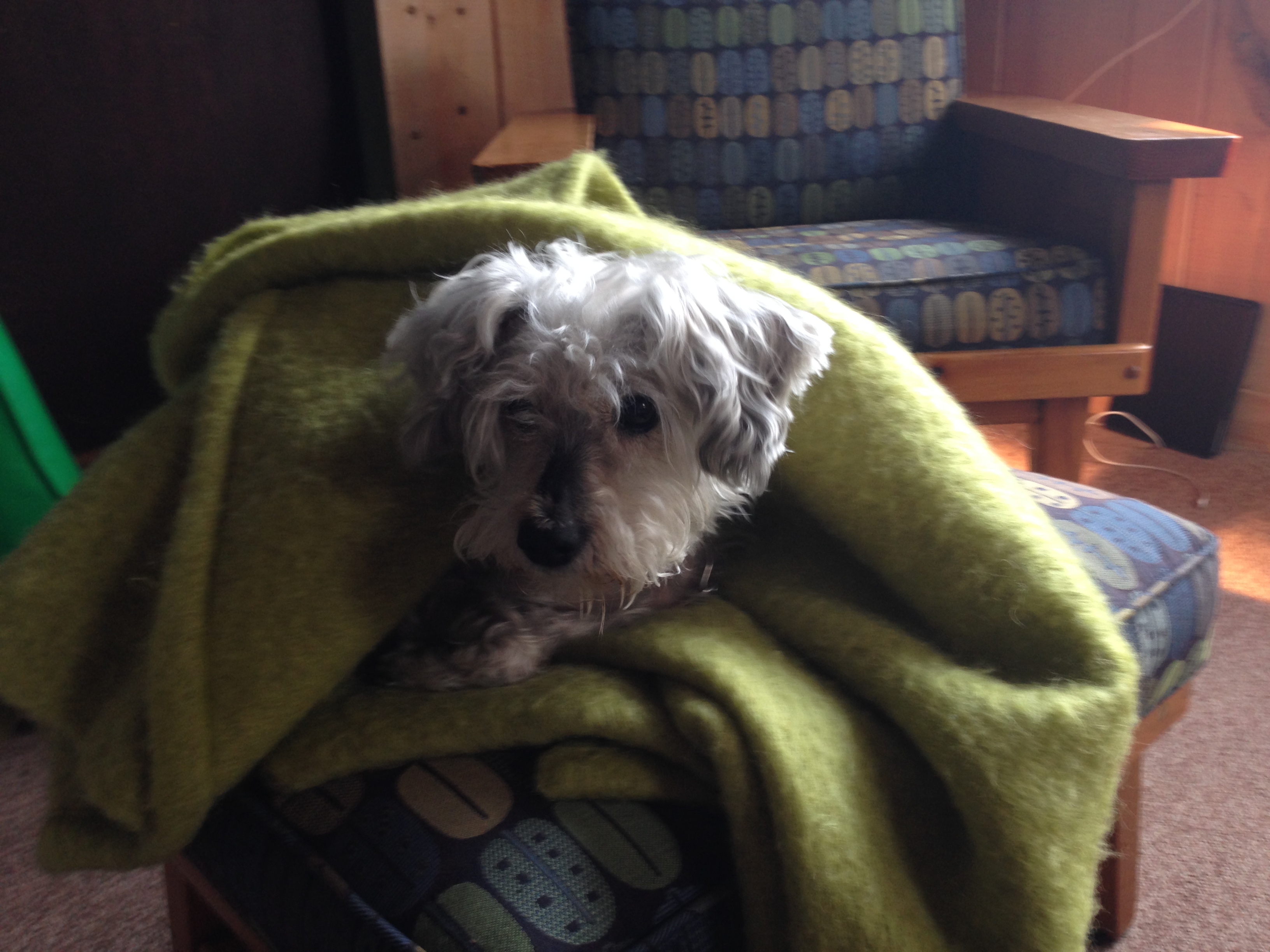
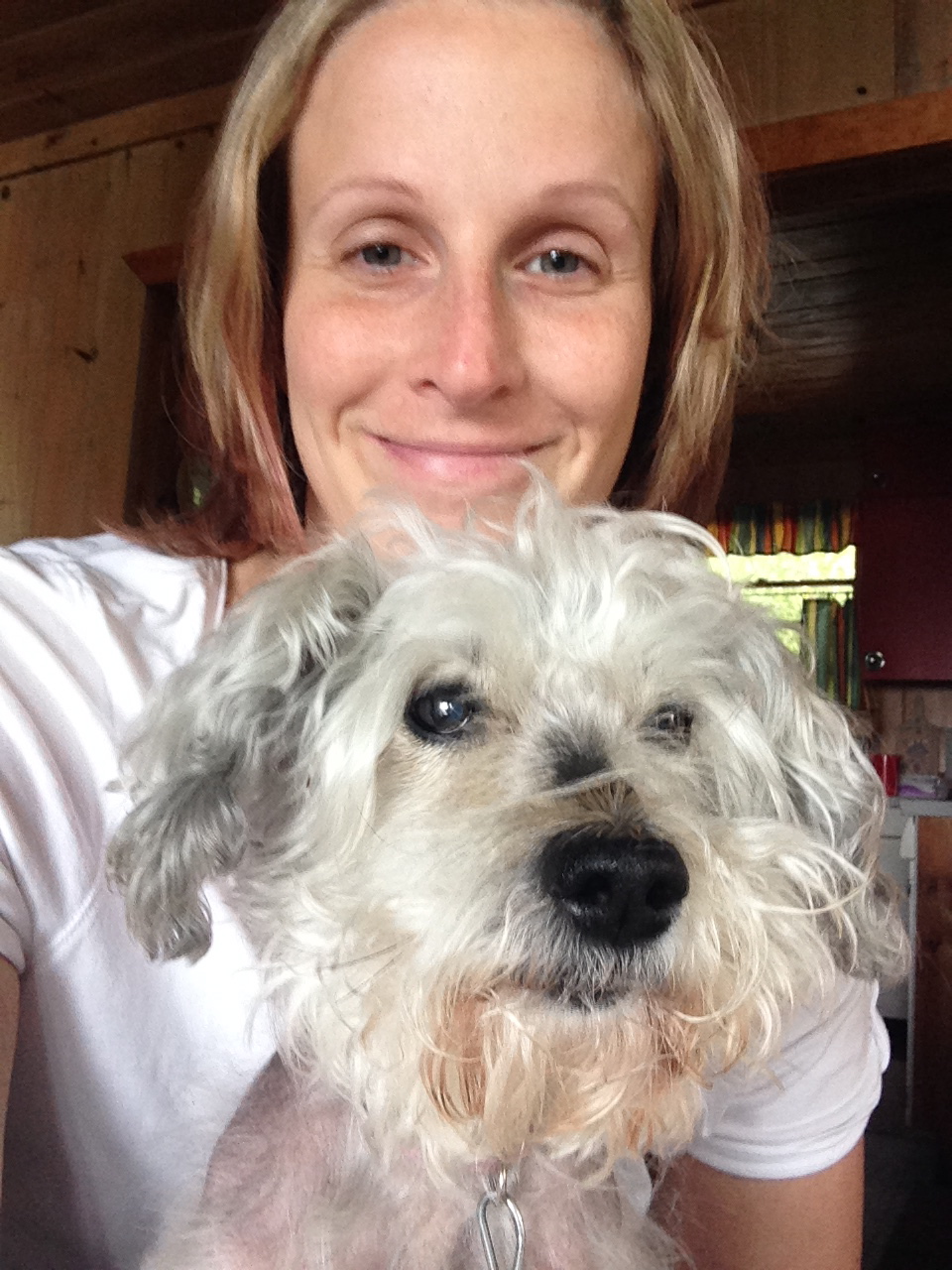
I spent a lot of time snuggling with Lucy, which is always wonderful.

Best. Dog. Ever.

Best. Dog. Ever.


We often rested at the same time.

We often rested at the same time.

This was often the view I had when she sat close to me.

This was often the view I had when she sat close to me.

Again, Best. Dog. Ever.

Again, Best. Dog. Ever.

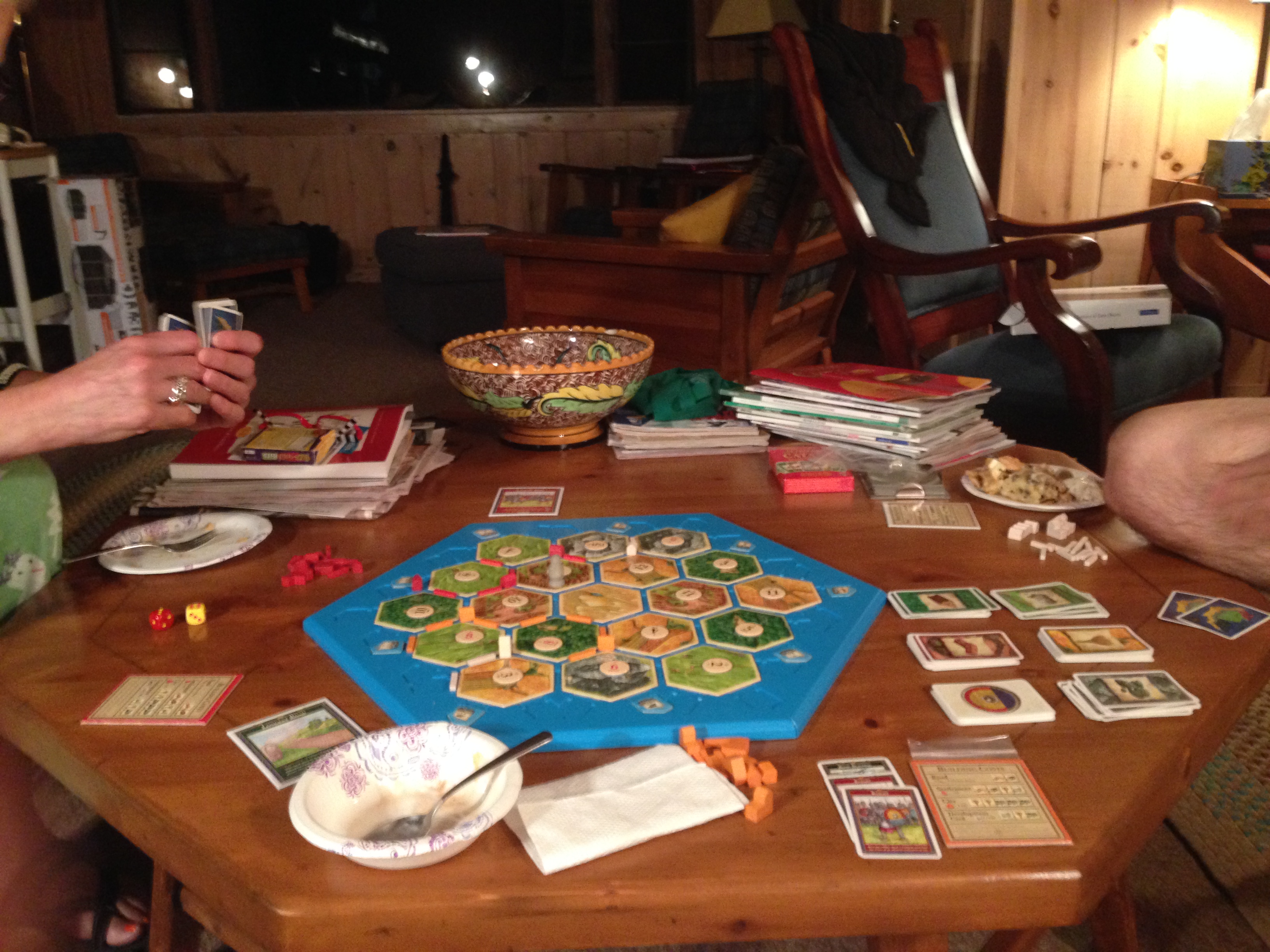
And playing games with my family.

I won more games than John, which is really all that matters. ;)

I won more games than John, which is really all that matters.

We even put a screened tent up, so that I could go outside to read and take naps.  It was wonderful.

Or, rather, my mom and John put up a tent for me to use. Thank you, thank you.

Or, rather, my mom and John put up a tent for me to use. Thank you, thank you.

And this was my view.

IMG_1142

Something I noticed is that due to my new environment, I could do several things one day and the next I would need to sleep quite a bit. Biologically, I knew this made sense, as I was taking in new information, and my brain was rebuilding those connections, but I didn’t expect to be so tired just from spending time walking down to our dock and back up the hill.

The day before we decided to leave, my uncle took us out on a boat ride. It was so wonderful! And, quite funny too.  🙂 Everyone kept asking me if I knew how to swim and if I could go into the water with my leg the way that it is. I found it humorous, as I’ve been swimming since I was a kid, and I haven’t forgotten. I responded by telling them that I wasn’t going to start gulping water if I did find my way into the water. This response, turned the conversation toward a boat crash. What if the boat crashed, nobody could get to me, and I would have to tread water for 20 minutes? Mind you, our boat is not the only boat on the lake, and it was July 4th weekend, so there was a decent amount of traffic. Thus, I didn’t anticipate having to wait 20 minutes for help from another boat. Furthermore, everyone on the boat knew how to swim, and I couldn’t imagine a crash in which I survived and none of them did, so I knew they would help me if I needed it. It was clear, however, that the only way I was going to be allowed to go on the boat trip would be if I wore a life vest, which I haven’t worn in forever.  So, I agreed, and my mom helped to snap me into it.

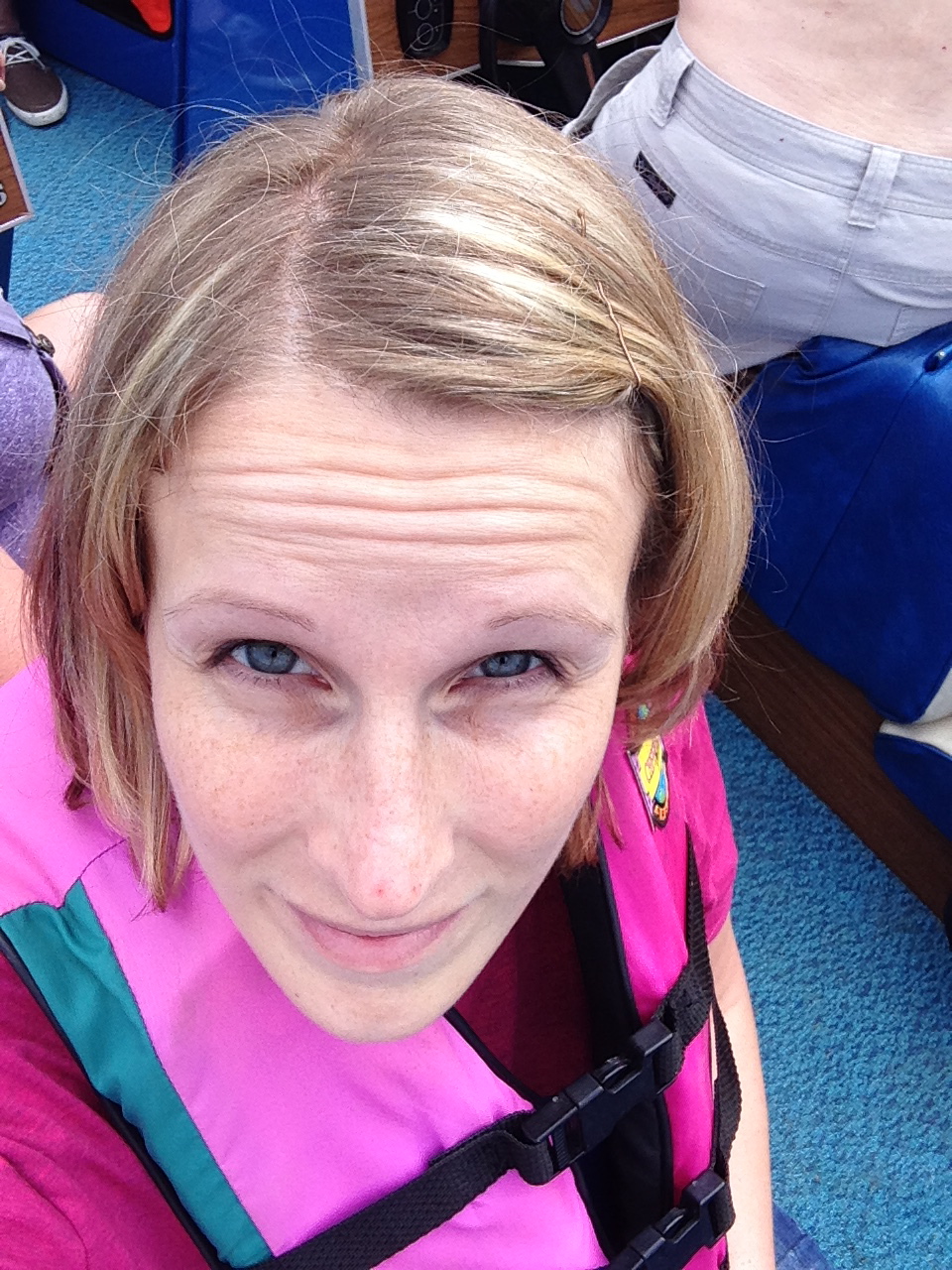
My best selfie with a life vest on.

My best selfie with a life vest on.

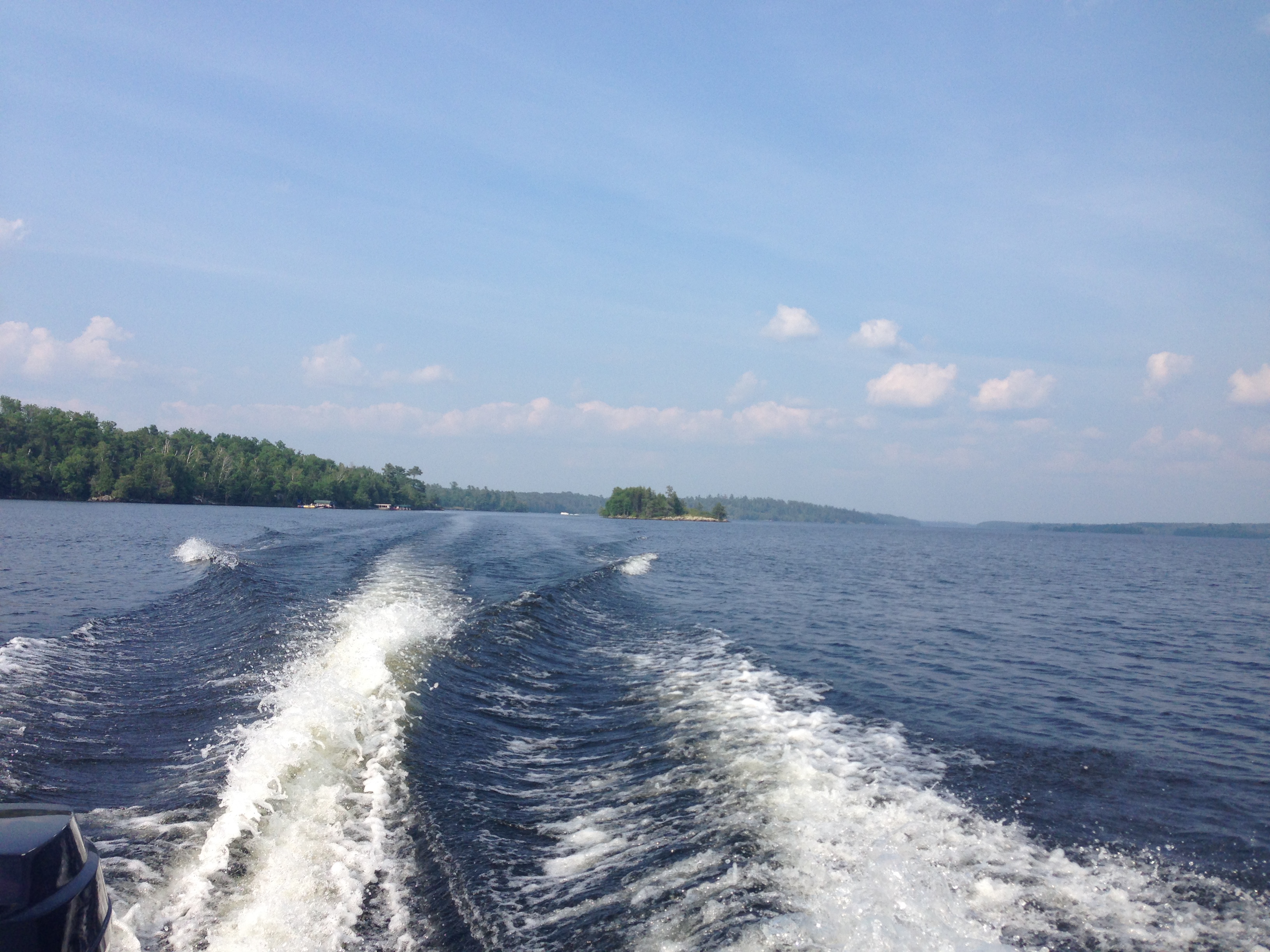
And the view of the lake from the back of the boat when we started the trip.

This was my view just to get us around the dock.

This was my view just to get us around the dock.

We started heading to new places and my view got better.

We started heading to new places and my view got better.

The view of the John at the front of the boat.

John's seat up front.

John’s seat up front.

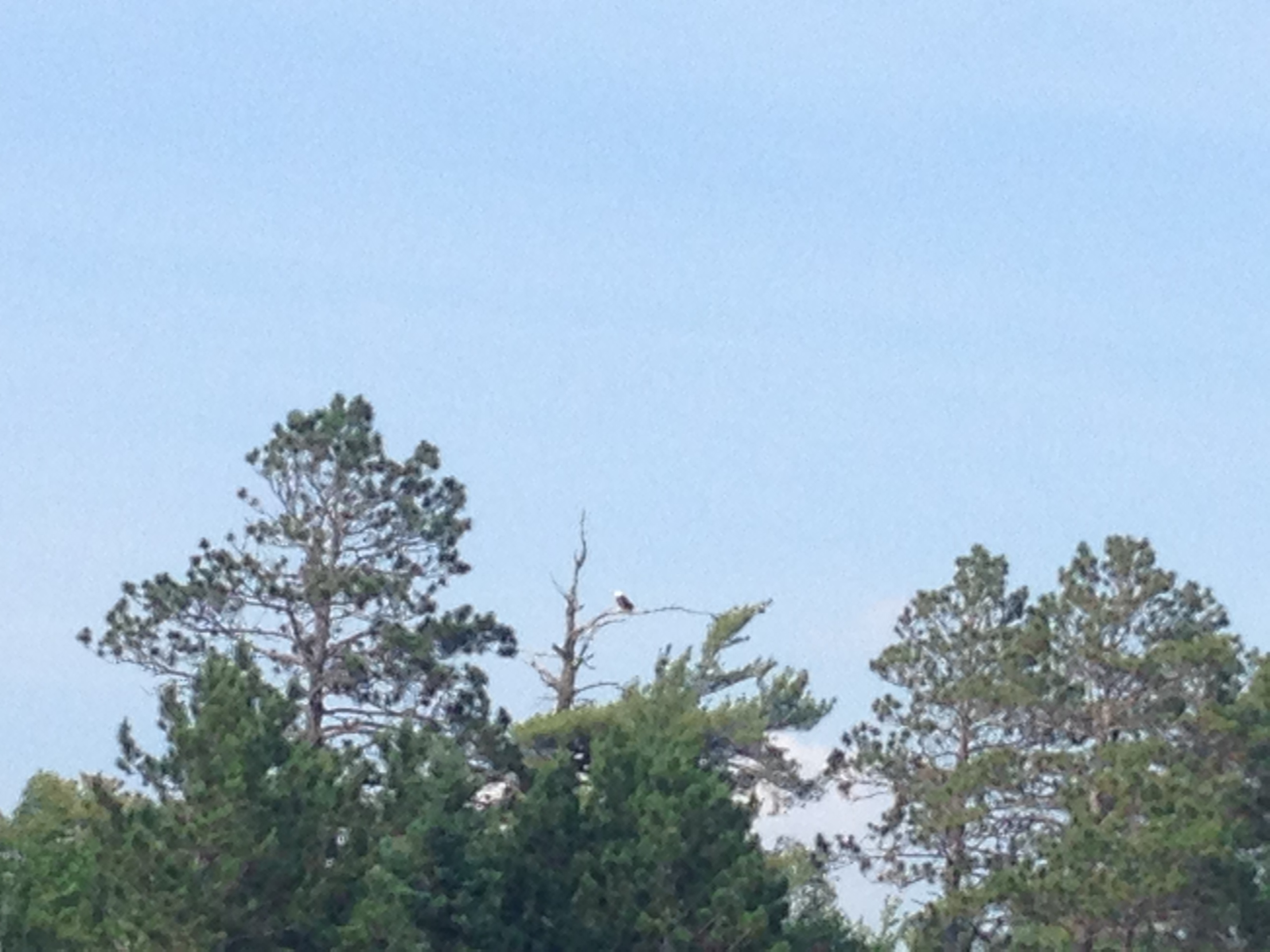
We first went to check out the eagles that we can see from our dock and cabin flying around, and calling to each other.

Do you see the eagle?

Do you see the eagle?

How about now?

How about now?

We then boated around a bit, enjoying the beautiful lake before stopping at Moosebirds for an ice cream cone, and eventually heading back to the cabin.

I had the best sleep while I was at the cabin, and have struggled a bit sleeping since my return. I’m not sure that I’m necessarily surprised by this, as Lake Vermilion was the location I went to in my head whenever someone (nurse, family member, friend, etc.) was trying to help calm me down while I was in the hospital.

I cried when I had to leave at the end of the week. Both tears of happiness and sorrow. Sorrow because I don’t anticipate I will get to go there again this year, and because I recognized how much I took for granted in the past by having two functioning legs.  Happiness because I did it. I went to Lake Vermilion, and enjoyed it more than I probably have ever enjoyed it before. Yes, it was relaxing to be in the great outdoors beyond my yard and the town of Macomb, but it was extra relaxing because I was with loving family.  They helped to make my time special, and just being around them helped to restore my motivation to keep improving.  I hope next year to go with even more of my family members.

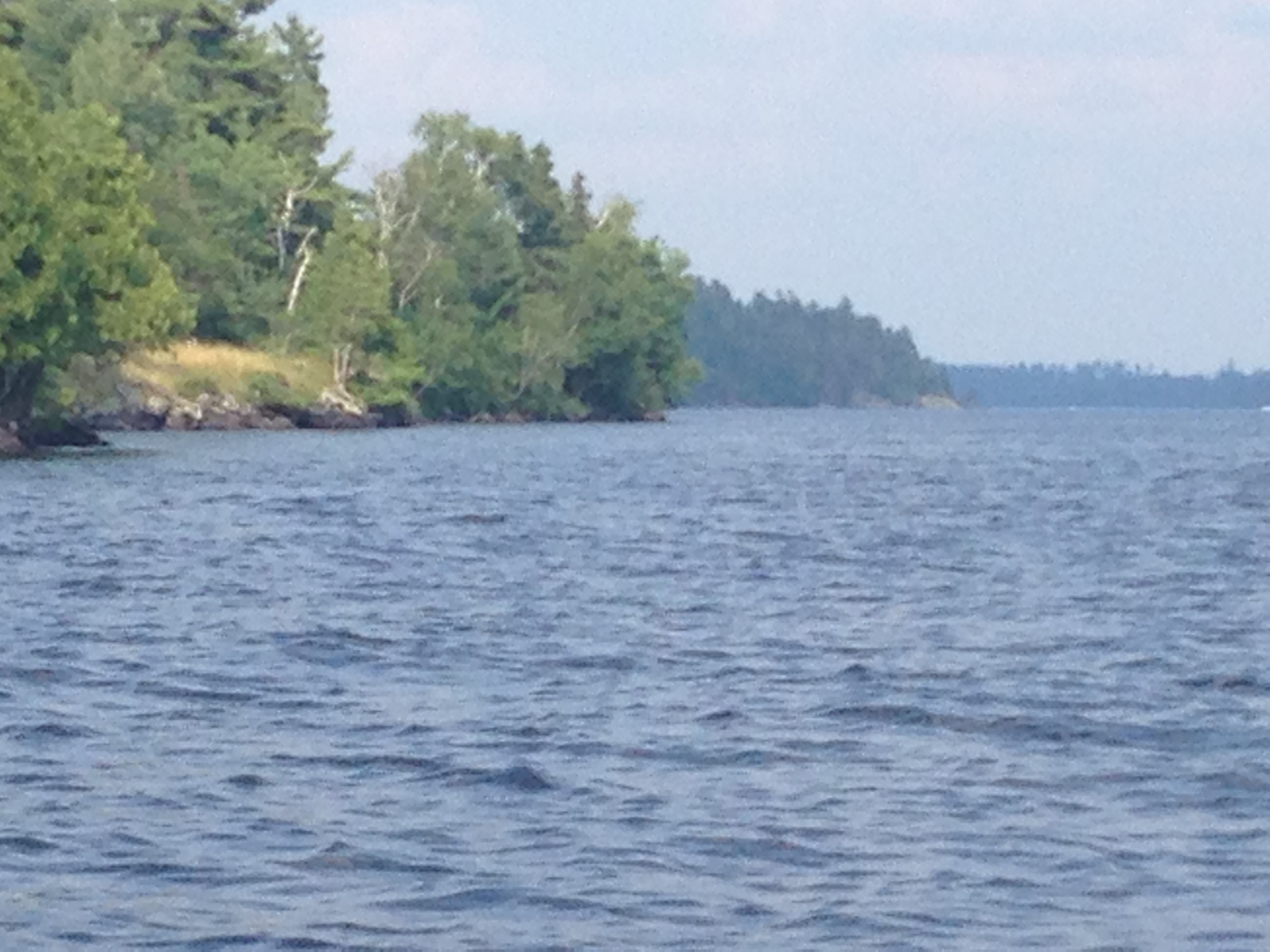
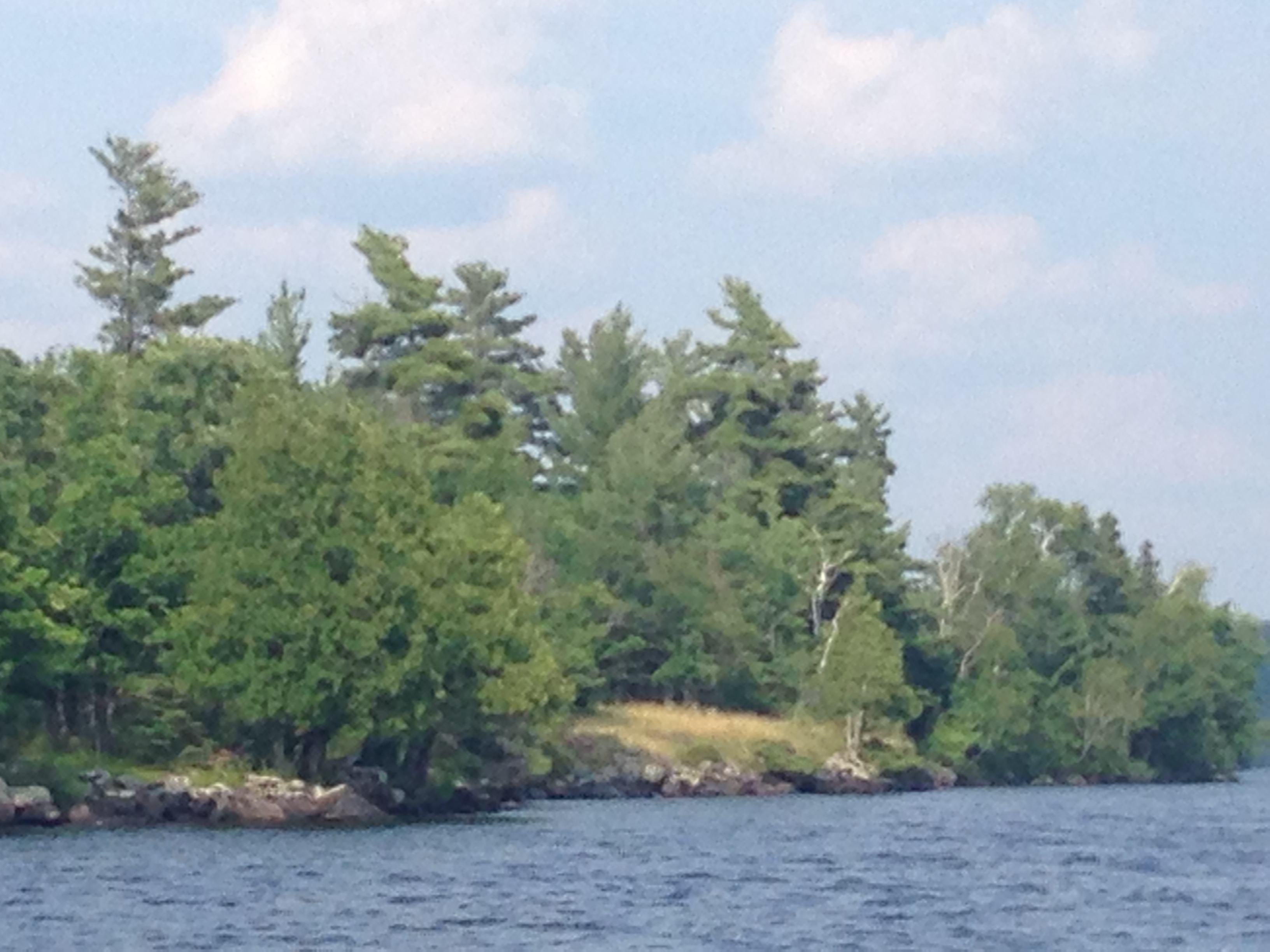
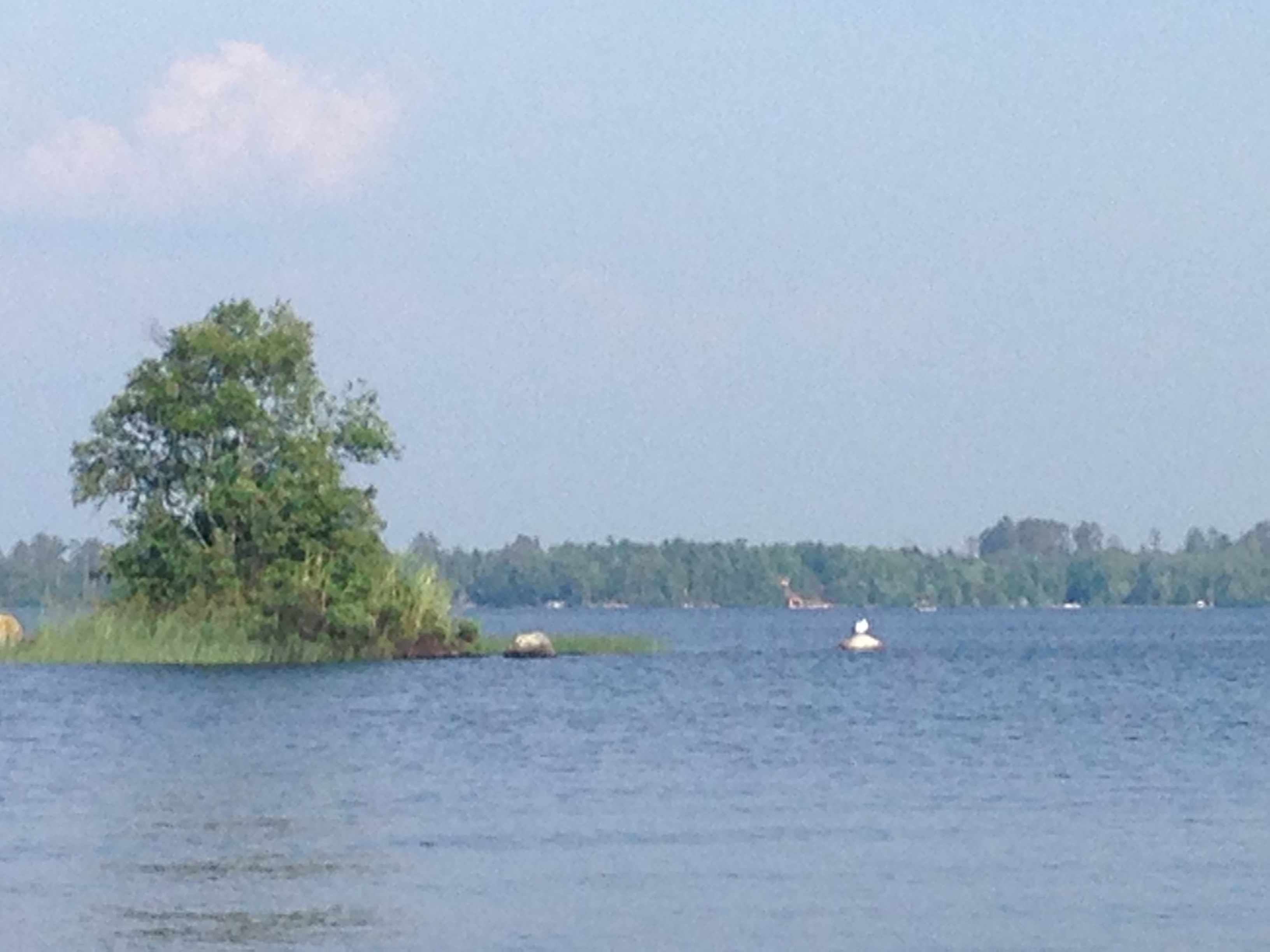
Just a few more photos of the lake from the boat.

Just a few more photos of the lake from the boat.


IMG_1157IMG_1161IMG_1160

I did it. 🙂